This series of articles seeks to examine the character attributes of highly successful leaders, regardless of their adherence to a strong faith or moral standard. In presenting these thoughts, Leadership Ministries is not agreeing with or advocating these traits or practices, but rather presents these as ideas for discussion and development in your own leadership journey.
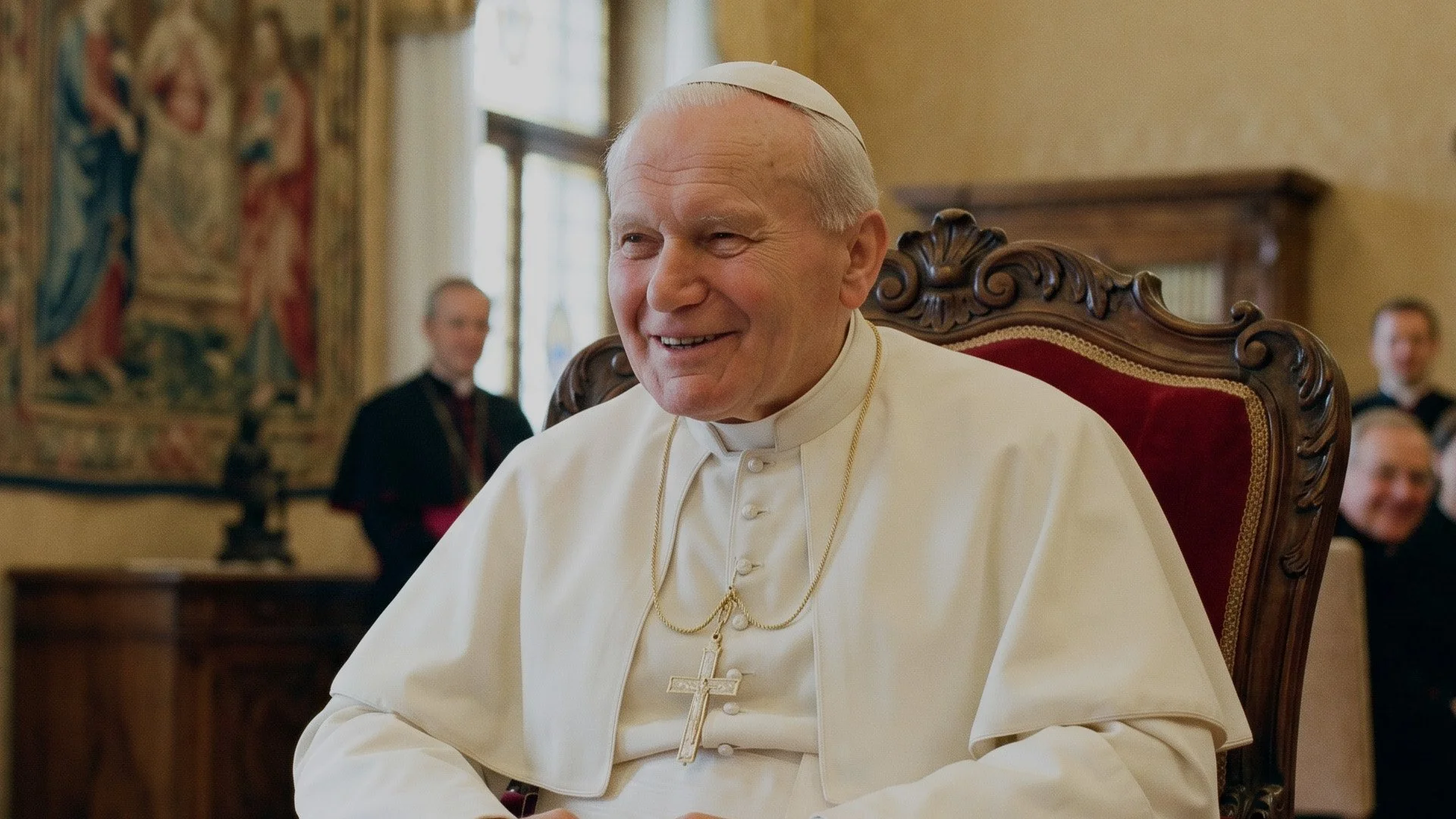
Pope John Paul II (1920-2005), emerged from a turbulent period in European history to become one of the most influential global leaders of the twentieth century. Born Karol Józef Wojtyła in Wadowice, Poland, his early life was marked by death and hardship. By age twenty, he had lost his mother, brother, and father. When World War II engulfed Poland, Nazi forces occupied his homeland, shutting down universities and persecuting clergy and intellectuals. Wojtyła worked in a quarry and a chemical factory to avoid deportation while secretly studying for the priesthood. These experiences created in him a resilience, discipline, and clarity of purpose that would later define his leadership on the world stage.
After the war, Wojtyła rose through the ranks of the Catholic Church, becoming Archbishop of Kraków and later a Cardinal. In 1978, he was elected pope, taking the name John Paul II—the first non-Italian pope in four centuries. His papacy lasted 27 years, one of the longest in history. From the outset, he demonstrated a leadership style that was both deeply principled and highly engaged with the modern world. He traveled extensively, visiting over 100 countries, and communicated directly with millions of people. His role in encouraging the collapse of communist regimes in Eastern Europe, particularly in his native Poland, stands as one of the defining geopolitical impacts of his life.
A life of purpose. Wojtyła’s sense of mission was unwavering. He did not merely occupy a position; he embodied a calling rooted in human dignity, freedom, and moral truth. Even under Nazi occupation and later under communist rule, he remained anchored in a vision that transcended circumstances. Leaders who operate from a clear and compelling purpose—beyond profit alone—tend to inspire deeper loyalty, stronger culture, and more sustainable success. John Paul II’s life demonstrates that purpose is not a slogan but a stabilizing force that guides decisions under pressure and uncertainty.
Courageous communication. John Paul II did not shy away from difficult conversations or controversial issues. Whether addressing oppressive political systems, advocating for human rights, or speaking on ethical concerns in a rapidly changing world, he communicated with clarity and conviction. His historic visits to Poland in 1979 galvanized a movement of hope among millions living under communist control, illustrating how words—when rooted in truth and delivered with courage—can catalyze change. For current leaders, we can follow his willingness to address hard truths within organizations, to speak transparently during crises, and to articulate vision even when it is unpopular or risky.
Influence at scale. John Paul II was known not only for his public addresses but also for his personal interactions. He met with world leaders, engaged with young people, visited the sick, and built bridges across religious and cultural divides. He understood that leadership is not exercised solely through authority but through connection. Even in large, complex systems, he prioritized human relationships, demonstrating empathy and attentiveness. He underscored the importance of relational intelligence—he was a leader who invested in people, listen actively, and build trust are far more effective in mobilizing teams and sustaining long-term impact.
His leadership was tested repeatedly, including during a 1981 assassination attempt in St. Peter’s Square, from which he recovered and later publicly forgave his attacker. This act of forgiveness further reinforced the authenticity of his values, showing that integrity is most powerful when demonstrated under pressure. In his later years, John Paul II faced declining health, including the effects of Parkinson’s disease, yet he continued to lead with visible perseverance. Rather than retreating from public life, he allowed the world to witness his physical frailty, offering a powerful testimony to dignity in suffering and commitment to one’s calling. He died on April 2, 2005, in Vatican City, prompting an outpouring of global mourning. Millions gathered to honor his life and legacy. He is buried in St. Peter's Basilica, beneath the heart of the Catholic Church he served for nearly three decades.

Pope John Paul II emerged from a turbulent period in European history to become one of the most influential global leaders of the twentieth century. Born Karol Józef Wojtyła in Wadowice, Poland, his early life was marked by death and hardship.
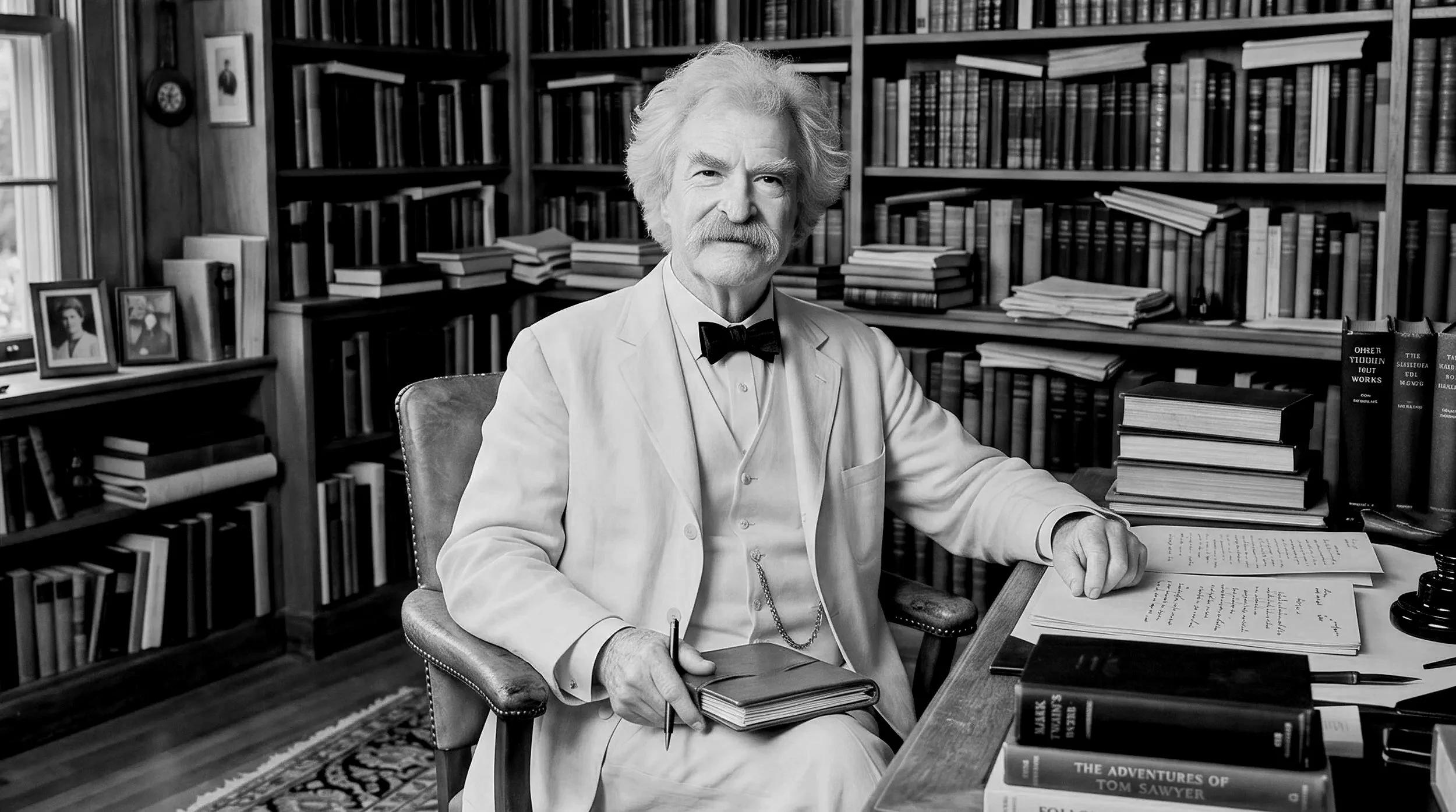
Mark Twain was one of the most celebrated writers and cultural commentators in American history. Born Samuel Langhorne Clemens in Missouri, Twain was raised in the town of Hannibal along the Mississippi River.
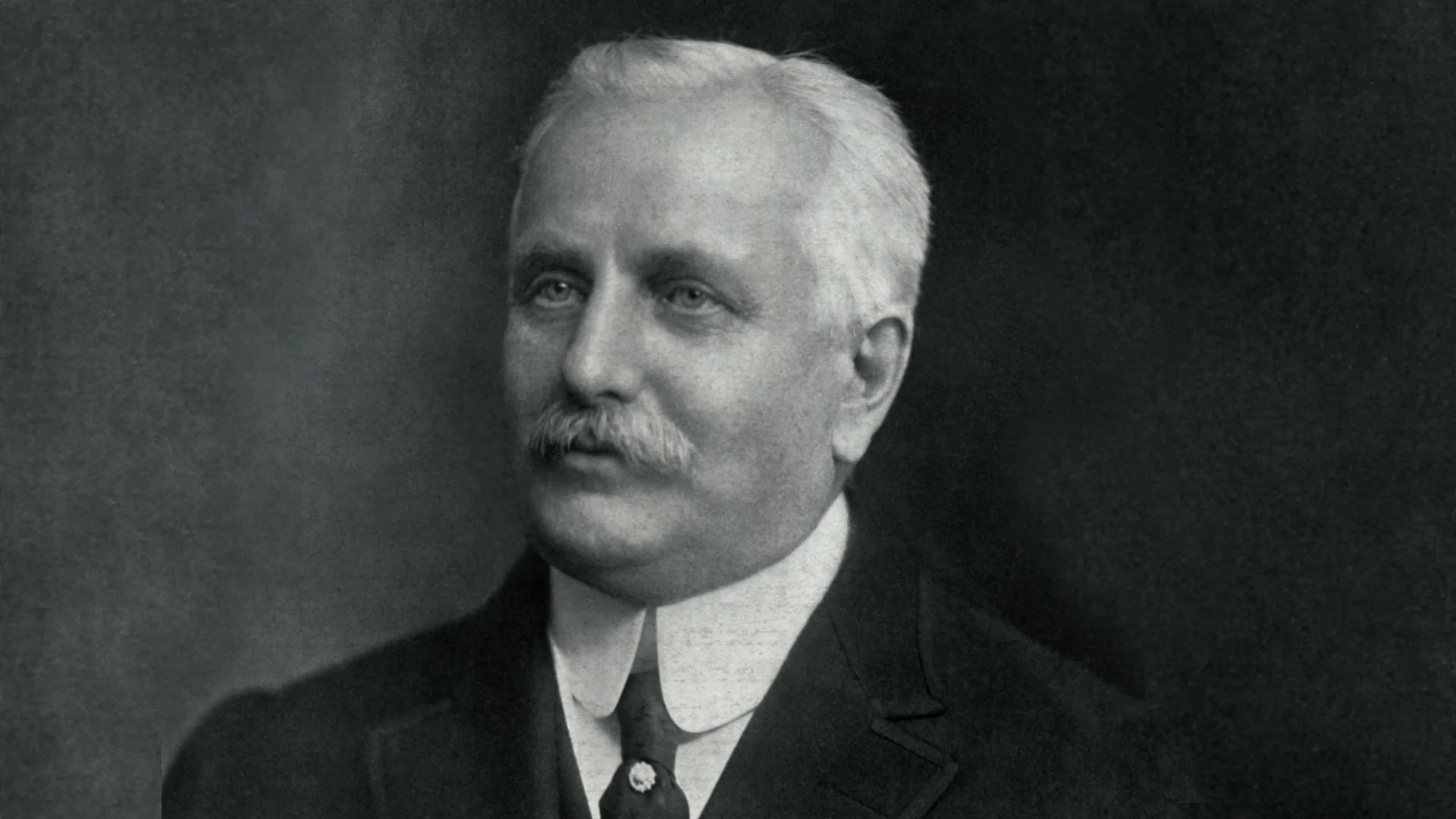
Frank Winfield Woolworth was an American entrepreneur, and founder of the F. W. Woolworth Company. He pioneered the retail variety stores which featured low-priced merchandise selling for 5 and 10 cents.
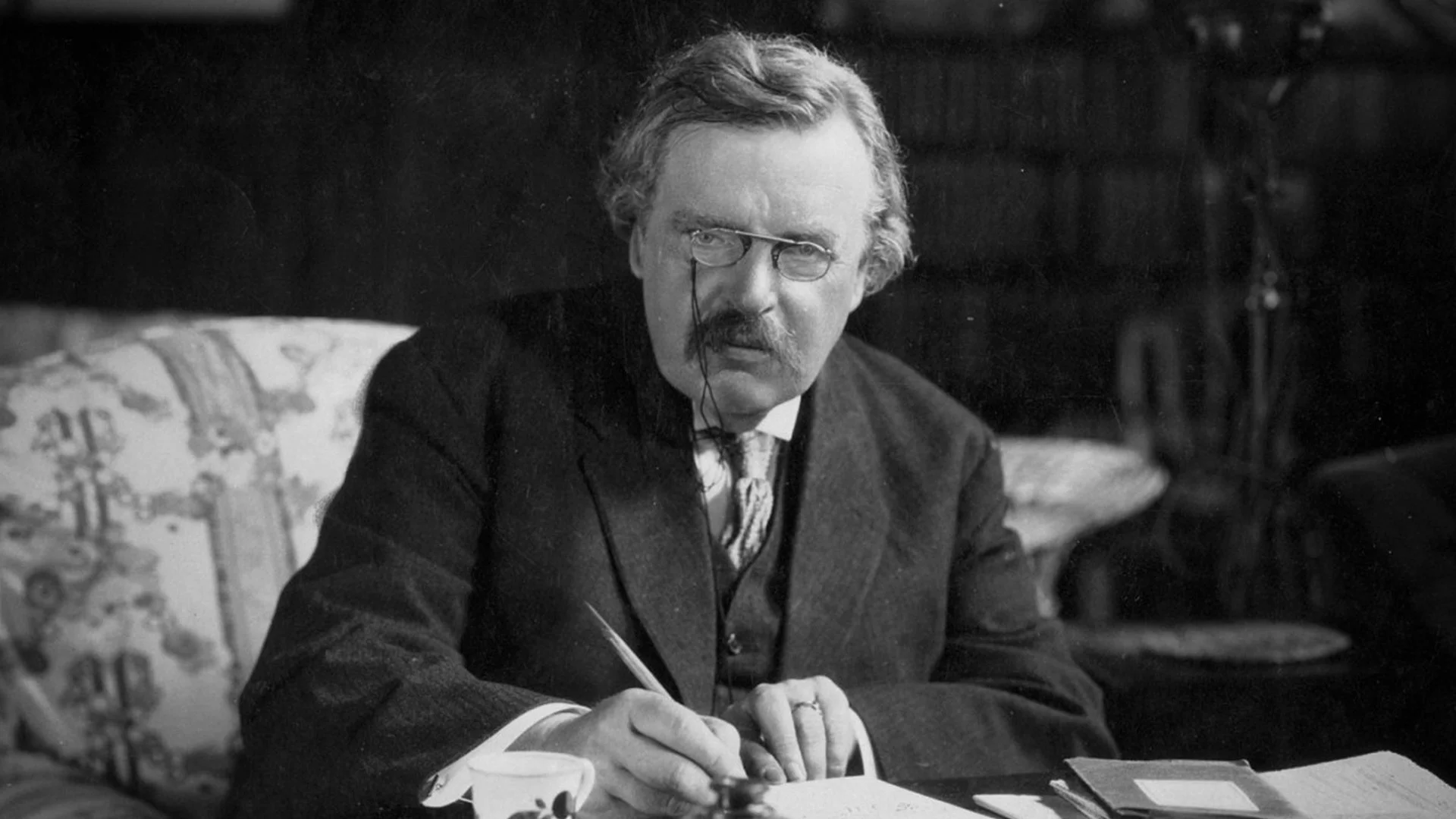
Gilbert Keith Chesterton was an English Apologist. His sharp writing style made him a prominent figure in earth twentieth century literature. Among his works were Orthodoxy and The Everlasting Man.
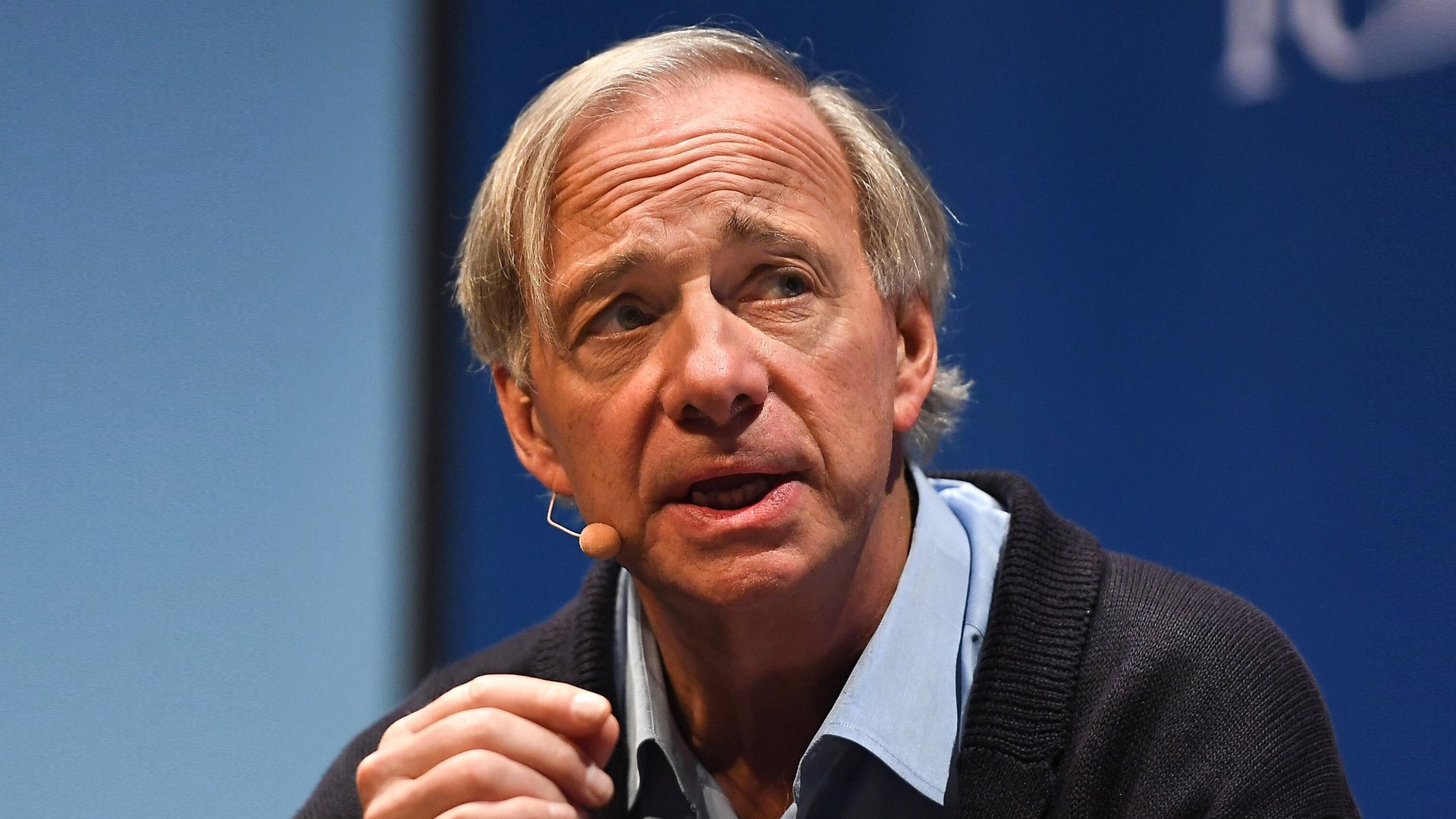
Ray Dalio is an American billionaire. He is the founder of Bridgewater Associates, the world’s largest hedge fund, and has run it since 1975. Dalio is the author of Principles of Life and Work, a 2017 New York Times bestselling book.
Michael Jordan is a former professional basketball player and businessman. He played 15 seasons in the NBA and won six NBA championships with the Chicago Bulls.
John Glenn was an American Marine aviator, test pilot, businessman, politician, and one of the seven Mercury astronauts. He was the first person to orbit the earth, circling three times in 1962.
Frank Albert Sinatra was an American singer and actor. He was one of the most popular entertainers of the Twentieth Century, with a career lasting over 60 years. He sold more than 150 million records globally.
Orville and Wilbur Wright were two American aviation inventors who are credited with the world first successful airplane. They made their first controlled flight in December 1903 in Kitty Hawk, North Carolina.
George Herman “Babe” Ruth (1895 – 1948) was a professional baseball player whose career spanned 22 seasons. He’s one of the greatest heroes in American culture and considered the greatest baseball player of all time.
Edward McKendree Bounds (1835 – 1913) was an attorney, author and Methodist minister. He is most known for authoring nine books on the subject of prayer. Bounds is widely considered one of the foremost authorities on prayer.
Thomas Paine (1737-1809) was an English-born Founding Father of the United States. An inventor and philosopher, he authored Common Sense, a pamphlet that was influential at the start of the American Revolution.
Ronald Martin Popeil (1935-2021) was an American inventor and marketing personality. His TV infomercials became an overnight staple, and earned him more than $2 billion in sales during his 40-year run. His coined the marketing catchphrase “But wait… there’s more!”
James Watt (1736-1819) was a Scottish inventor and mechanical engineer. He is credited with the first practical steam engine, the Watt Engine of 1776, which helped bring about the Industrial Revolution.
Aristotle (384-322 BC) was an ancient Greek philosopher. His writings cover a broad range of subjects spanning the natural sciences, philosophy, linguistics, economics, politics, psychology, and the arts.
He was between eight and nine years old when he ascended to rule a kingdom. Reigning from 1332 to 1323 BC, King Tut became leader of ancient Egypt. A Pharaoh was a statesman, religious leader, military commander, administrator and steward of the land.
William Whiting Borden (1887-1913) was an American philanthropist, millionaire and Christian missionary. Borden surrendered his life to Christ as a child as a result of the witness of his mother. Borden wrote three phrases in his Bible that defined his life: “No reserves. No retreats. No regrets.”
Dietrick Bonhoeffer (1906-1945) was a German pastor, theologian and anti-Nazi dissident. He was opposed to Hitler’s genocide of the Jews, and ran “underground seminaries” during the war. In 1943 he was imprisoned by the Gestapo. Bonhoeffer was executed in the spring of 1945.
Charlemagne (747-814) united the majority of Western and Central Europe during the Middle Ages. People call him the “Father of Europe,” and the Pope made him the first Holy Roman Emperor.
Charles Haddon Spurgeon (1834 – 1892) was an English pastor of the New Park Street Chapel (later renamed Metropolitan Tabernacle) in London for 38 years. He became known as the “Prince of Preachers” for his spellbinding sermons, which sometimes ran two hours or more.
James Earl “Jimmy” Carter, Jr. (1924 - 2024) was an American politician and humanitarian who served as the 39th President of the United States. Though many believe his presidency a failure, his post-Oval Office years were nothing short of phenomenal.
Saint Nicholas of Myra (270-373) was an early Christian bishop from the city of Myra in Asia Minor during the time of the Roman Empire. That he loved children and was tremendously generous is widely accepted, and gave rise to the modern day tales of Santa Claus.
Nicholas Lou Saban, Jr. is an American football coach, most known for his 17 years as Head Coach at the University of Alabama. He is widely considered one of the greatest college coaches of all time.
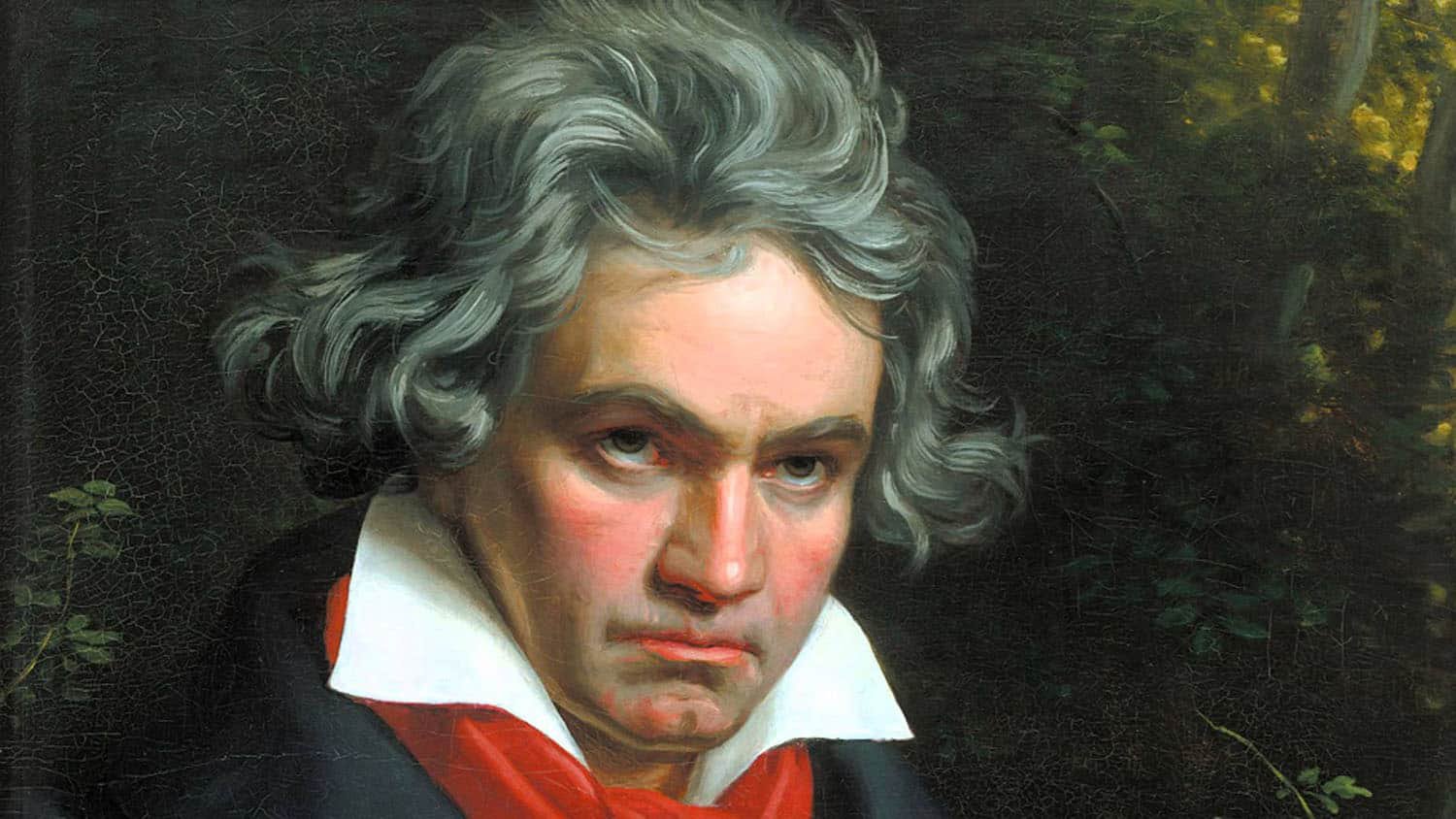
Ludwig van Beethoven (1770 – 1827) was a German composer and pianist. He is among the most admired classical composers in history, and the melodies of his great symphonies and sonatas are recognized around the world.
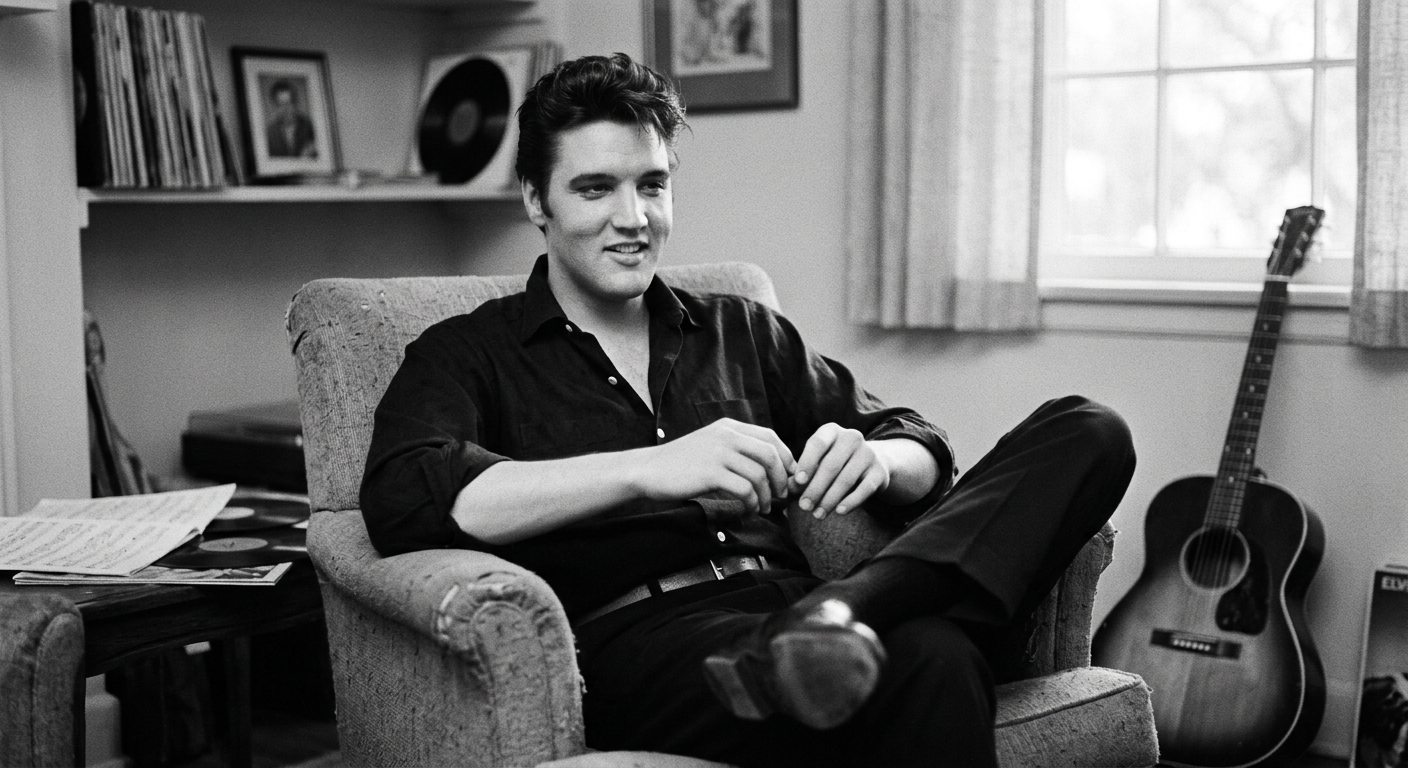
Elvis Aaron Presley (1935 – 1977) was known as the “King of Rock and Roll”. He began his music career in 1954, and over the next 30 years would sell 300 million albums, make 33 movies, and become one of the most well-known and celebrated artists in history.
Sir Timothy John Berners-Lee (1955-) is an English computer scientist, professorial research fellow at the University of Oxford and a professor emeritus at the Massachusetts Institute of Technology (MIT). He is widely credited as the inventor of the World Wide Web.
Howard D. Schultz is an American businessman and author. He served as Chairman and CEO of Starbucks from 1986 to 2000, and again from 2008 to 2017, and in 2022-2023. He was named one of the World’s Richest People by Forbes with a net worth in 2020 of $4.3 billion.
Socrates (470-399 BC) was a Greek philosopher credited with founding Western philosophy and the first among moral philosophers and the ethical tradition of thought. Socrates did not author any texts, and what is known of him is through accounts of other classical writers.
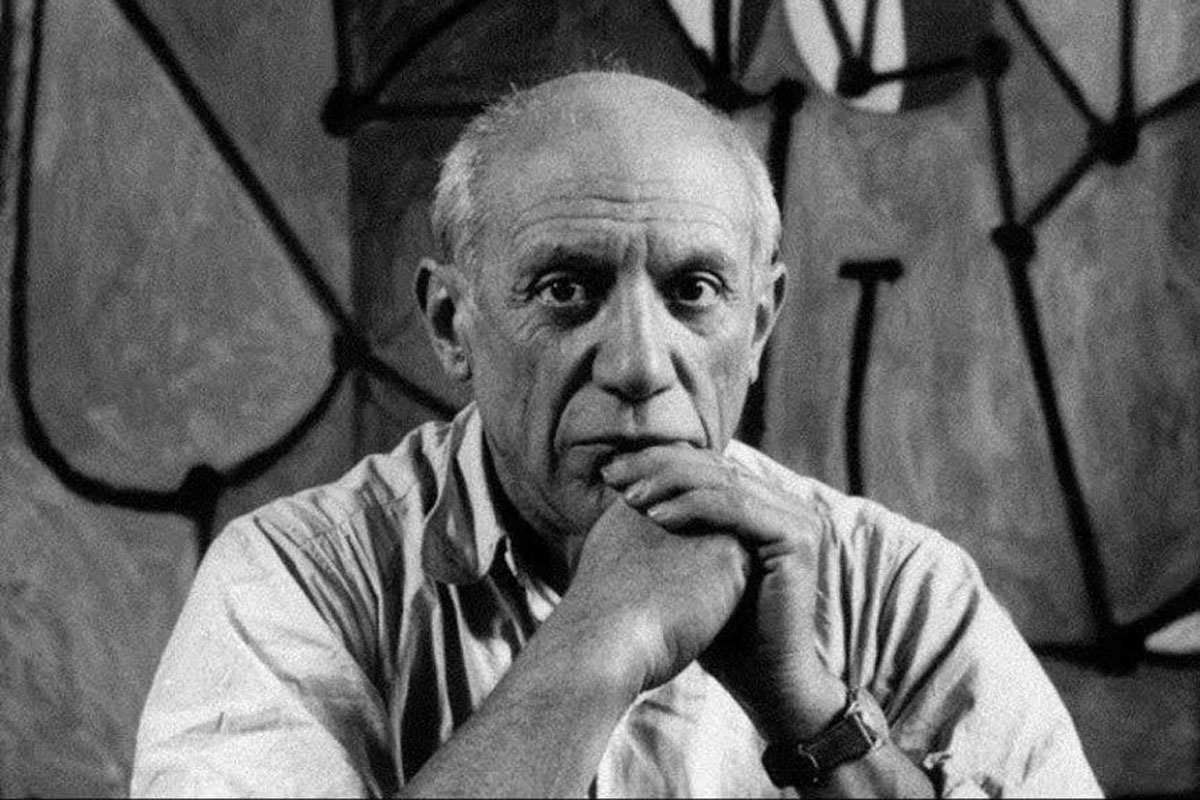
Pablo Ruiz Picasso (1881 –1973) was a Spanish painter, sculptor, printmaker, ceramicist and theatre designer. Picasso demonstrated extraordinary artistic talent throughout his life and is considered the father of modern art.
Cover photo: Adobe Firefly


William Shakespeare was an English playwright, poet and actor, widely regarded as the greatest writer in the English language. His works include plays, sonnets and other narrative poems.