






Isaiah speaks primarily to kings, national leaders, and the people who follow them. Isaiah’s messages repeatedly calls leaders to return to integrity, justice, and dependence on God rather than power, alliances, or reputation.
Take a journey through the life of King David. A hero, a warrior, a poet, an adulterer, a murderer. His life is a study in contrasts, and holds great lessons for men who want to be “All In” with their lives and leadership.
The Apostle Paul leaves his disciple Titus behind on the island of Crete. Titus is to recruit leaders to grow the church and share their faith on this highly influential, and deeply corrupt, Mediterranean island. His letter to Titus is a masterclass is leadership development, influential relationships, and setting a meaningful example for others.
A Christian leader submits to God in all facets of life and work. We become Noble Clay in the hands of the Father, Who molds and shapes us according to His Word and for His Purposes. Isaiah 64:8 says, “But now, O Lord, you are our Father; we are the clay, and you are our potter; we are all the work of your hand.”
Daniel remains a faithful leader as God raises up a kingdom and then brings it crashing down. God gives Daniel favor. In his book we read the account of his time as an influential leader under Babylonian rule.
Today males have a difficult road moving from boys to men. Our culture struggles to even define a man, much less understand the unique and specific purposes for which God made him. The Apostle Paul tells us to “Be watchful, stand firm in the faith, act like men, be strong” (1 Corinthians 16:13). Take a journey of manhood. Walk through Scripture to find seven specific directions for men.
Prayer is simply talking with God. In the Bible, we read of God’s leaders praying to Him through many different circumstances. Even Jesus prayed to God the Father. Prayer for the leader is a lifeline—the single most important means we have to connect directly to God at any time and for any reason. Prayer is not meant to be our last resort, but rather a constant and ongoing conversation with God in every facet of life and work.
At the end of the Old Testament, we find 12 short books which contain a series of uncomfortable warnings for God’s people. Through these teachings, God is reminding leaders of His commands, His consequences for wrongs, and His high standards. Each of these prophets of God is given a warning to convey, which we can readily apply to our lives and leadership today.
The New Testament book of Acts records the early days of the Christian faith. In this book we see pivotal moments in the lives of these leaders as they navigate success, struggle, deception, opposition and deliverance.
1 Corinthians 16:13 instructs us to “Be on your guard; stand firm in the faith; be courageous; be strong.” What does it mean in our time and culture to “take a stand” or to “be strong”, in a spiritual, personal and professional sense? Walk through this New Testament letter to find important leadership lessons you can employ in life and work.
The greatest leader of all—Jesus Christ—used a simple device to teach profound truths. Journey with us through the parables, short stories that each hold a meaningful lesson for leaders. Jesus used these fictional narratives to expose real-life principles that we can use every day. But be warned—the parables don’t have predictable endings. Turn the page with us on these tales of life and leadership.
The beginning of the world sets our foundation for leadership. In Genesis we read the epic story of how we started. The Garden. The snake. The fall. The flood. Every origin narrative is a lesson that is more than history. We will draw on each chapter to find out how to live, love, worship and work. From ancient days to today, these timeless principles will fill you with a new perspective on your role and responsibility. Let there be… leaders!
Throughout time, there were men whose destiny it was to lead. Some were successful, while others held a position of power but ultimately failed. Join us as we look at eight mighty kings—crowned leaders who will jump from the pages of history to teach us leadership lessons we can learn and apply today. This game of thrones is one you can learn to play and win!
The Bible holds keys to how men should live, work and lead. When challenges and difficulties come, walking on practiced principles allows a leader to not only survive, but thrive. These leadership talks from the lives of Job and King David will inspire you to be the best man you can be.
The Declaration of Independence was a document that laid out the reasons why the American colonies were about to go to war. Like an editorial, it was meant to be widely distributed, in an age before telegraphs, telephones or the Internet.
Scripture presents a pathway to influence—one that runs through humility, surrender, and even brokenness. This idea is uncomfortable because it challenges the instinct to protect image and maintain control.
A disciple is a life-long student, one who studies along with others, and then lives out those teachings in daily life. The key to a relationship with Christ is to be a disciple—and also to make disciples.
Today, many pastors quietly admit what few are willing to say out loud: men’s ministry, as a structured and ongoing discipleship effort, has disappeared in nearly all churches. The data tells a sobering story.
Whoever thought that “what is a man?” would be a controversial question in our culture! Male messages pull in opposite directions—some encouraging passivity and disengagement, others promoting dominance without character.
To live with strength and consistency, a man must learn to guard his heart—developing both emotional and spiritual resilience that allows him to remain steady under pressure.
Self-centered leadership is a subtle and destructive pitfall for a leader. It rarely begins with obvious arrogance or selfish intent. It manifests subtly—through small decisions and unchecked pride.
Empathetic leadership begins with seeing people not as resources to be managed, but as individuals to be valued. Empathy is increasingly recognized as a defining strength, not a weakness.
The idea of “Jesus take the wheel” is more than a lyric from a hit song; it is a posture of surrender. In leadership, especially, the temptation to control outcomes, protect reputations, and rely solely on personal ability is constant.
esus Christ defined leadership not as a pursuit of status, but as a commitment to serve. For men seeking to lead well, the challenge is not simply to succeed within the world’s system, but to embody a different kind of leadership altogether.
If a successful CEO is going to tell you something he wants you to remember, it tends to come out as a sentence that encapsulates a big idea. He told me, “Always follow up. Don’t forget with people to follow up. It will make or break your leadership.”
Discipleship is not designed to be confined to church settings or private devotion. It is a way of life that extends into every arena, including the workplace.
It’s your Comfort Zone. That place where you know the answer to every question that may arise, and you’ve spent time setting up boundaries so that you’ll never have to risk, test or experience discomfort.
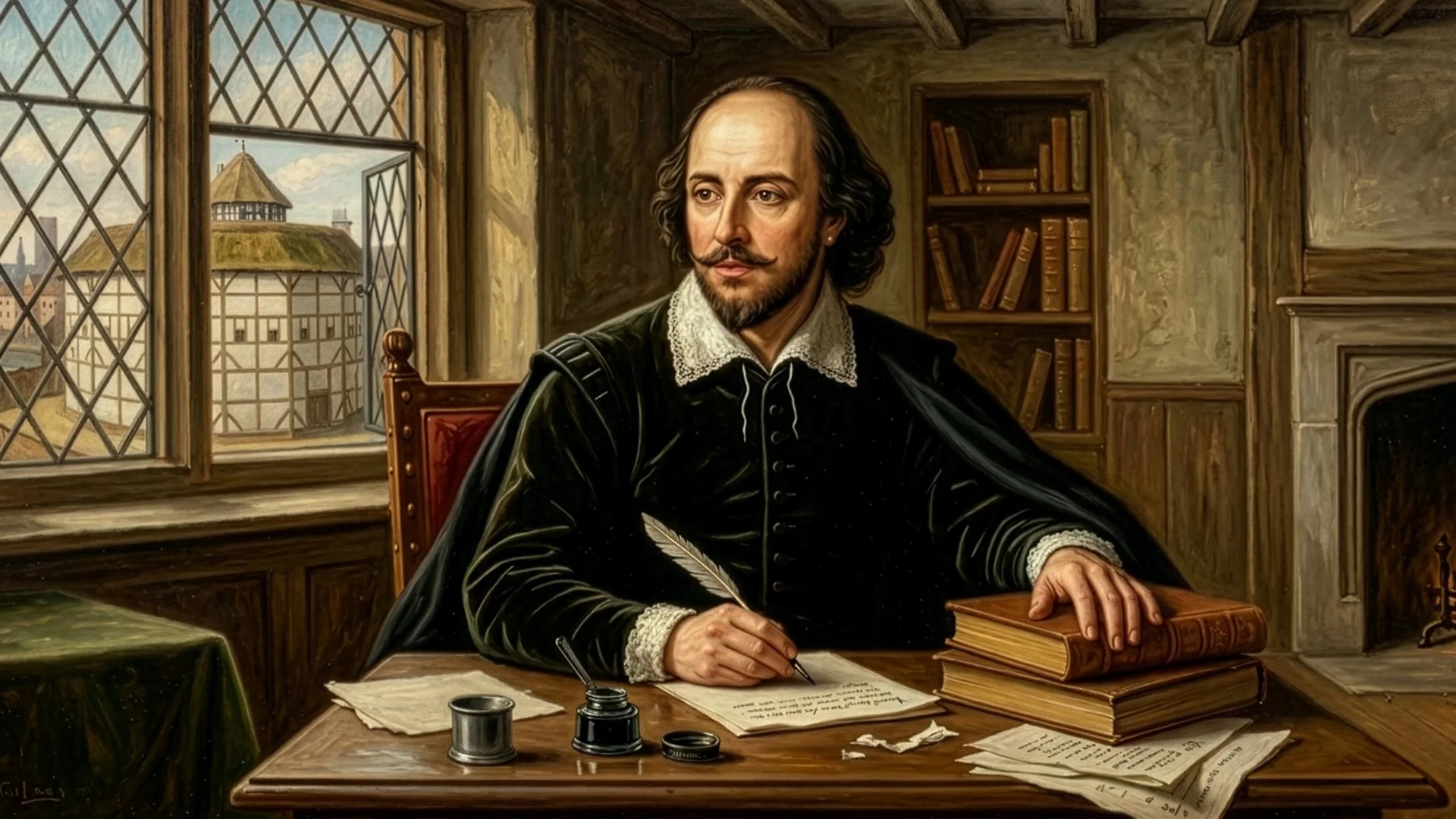
William Shakespeare was an English playwright, poet and actor, widely regarded as the greatest writer in the English language. His works include plays, sonnets and other narrative poems.
Every leader, no matter how experienced or well-intentioned, will eventually make a wrong decision. The defining character quality is not whether mistakes happen, but how they are handled.
Biblical manhood is not defined by status or strength, but by character, responsibility, and a life oriented toward Christ and others. Godly leadership is not about control; it is about stewardship.
Some of us lie all of the time. A recent study by the University of Massachusetts found that during an average 10-minute conversation, 60% of people will say something that isn’t entirely true.
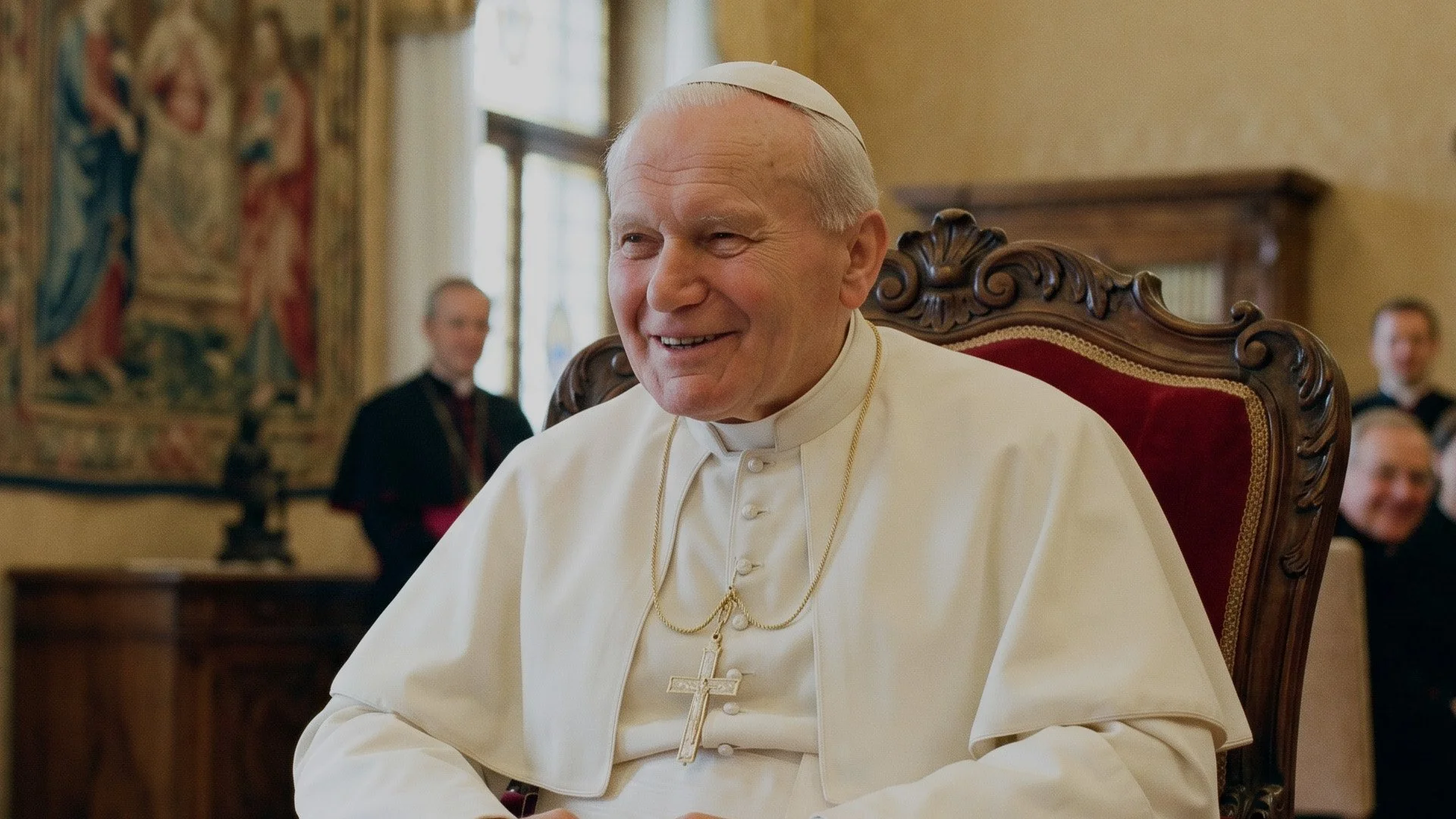
Pope John Paul II emerged from a turbulent period in European history to become one of the most influential global leaders of the twentieth century. Born Karol Józef Wojtyła in Wadowice, Poland, his early life was marked by death and hardship.
Do you doubt yourself and your qualifications for leadership? Do you look at your skills, talents and accomplishments with a persistent fear of being exposed as a fraud? Self-doubt, anxiety and fear of being “found out” can cloud the mind.
A creed is a formal statement of essential beliefs. The word “creed” comes from the Latin “credo” meaning, “I believe.” You can adopt The Brothers’ Creed as a statement of belief for your Men’s Table.
Avoid the temptation to “ramp up” over a few weeks, and instead launch with excitement, a clear purpose and a solid direction. Here are a few things to keep in mind for a great Men’s Table Launch.
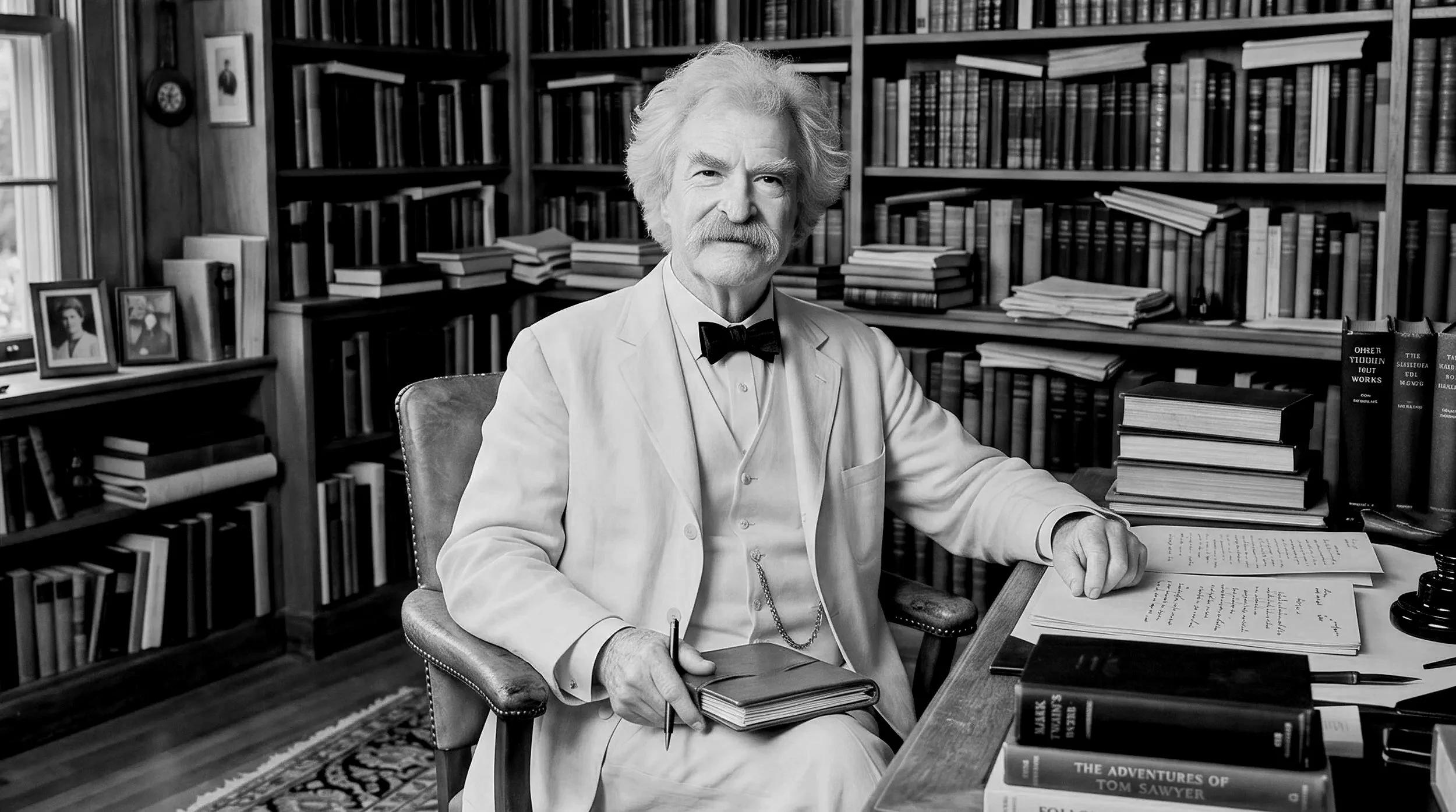
Mark Twain was one of the most celebrated writers and cultural commentators in American history. Born Samuel Langhorne Clemens in Missouri, Twain was raised in the town of Hannibal along the Mississippi River.
Fidelity is rare. It requires our allegiance to something greater than ourselves. The value of fidelity to a leader is not a loyalty that just serves customers or a company. Rather, it is fidelity to one’s character and values.
You communicate goals and objectives, give motivation and encouragement, gather and disseminate information, and more. But the “when” of your communication may have a negative consequence.
As you go through our Life and Career Planning process, you’re investing time in personal development. A great supplement to this journey is to take in some of the experience and wisdom of others.
Authenticity is the factor in your character that helps you live as your true self. Authenticity helps you to make good decisions, influence others, maintain consistent values, convey a sense of purpose, and have a strong self-awareness.
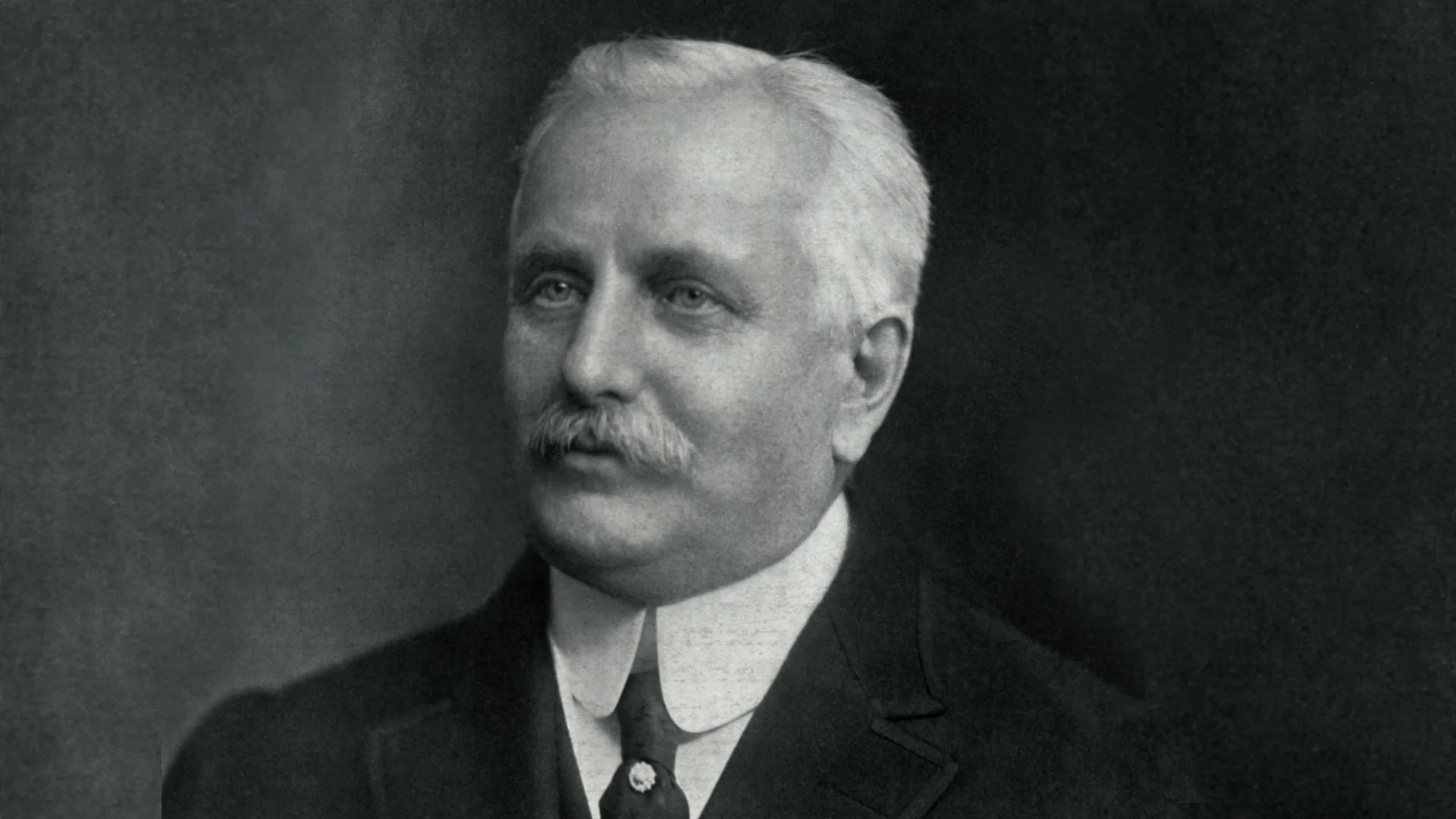
Frank Winfield Woolworth was an American entrepreneur, and founder of the F. W. Woolworth Company. He pioneered the retail variety stores which featured low-priced merchandise selling for 5 and 10 cents.
As a leader you do not have all the answers. Smart leaders surround themselves with people whose knowledge, skills and experience supplement their own.
The educational system you were brought up in started early with art and music and other creative arts when you were in Kindergarten. As you got older, your studies quickly shifted away from creative activities to math, science, social studies, computers.
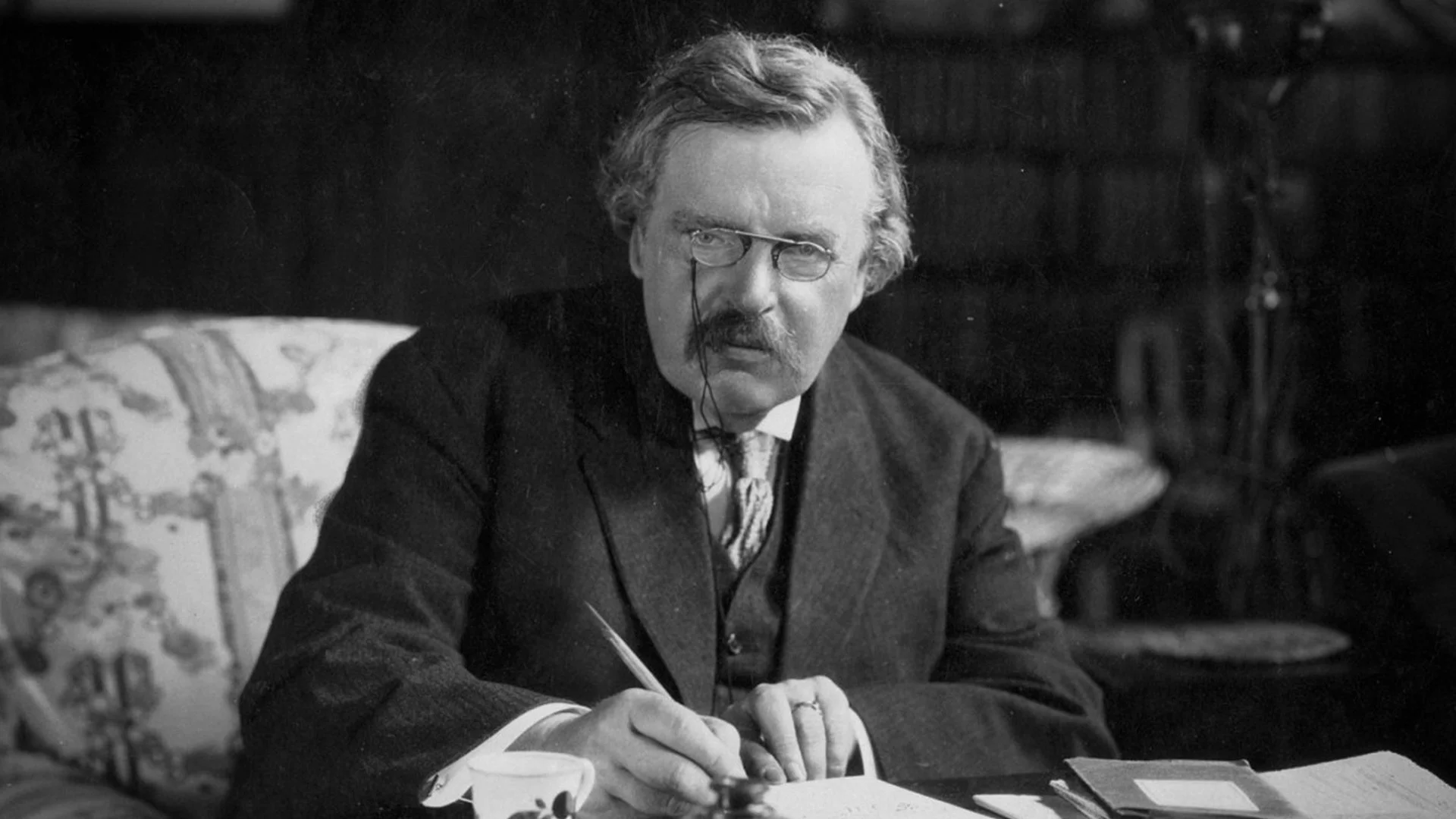
Gilbert Keith Chesterton was an English Apologist. His sharp writing style made him a prominent figure in earth twentieth century literature. Among his works were Orthodoxy and The Everlasting Man.

Dave McMullen